BABOON SANCTUARY
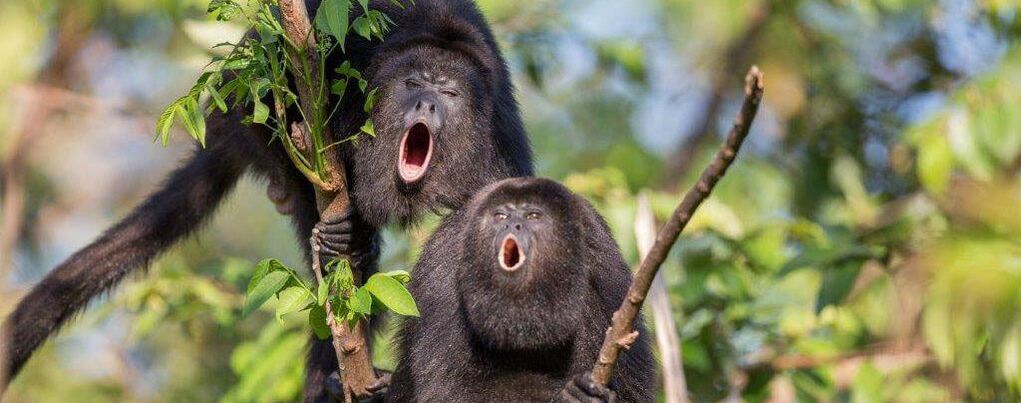
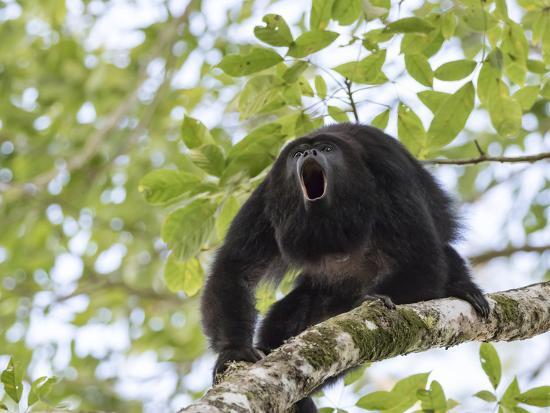
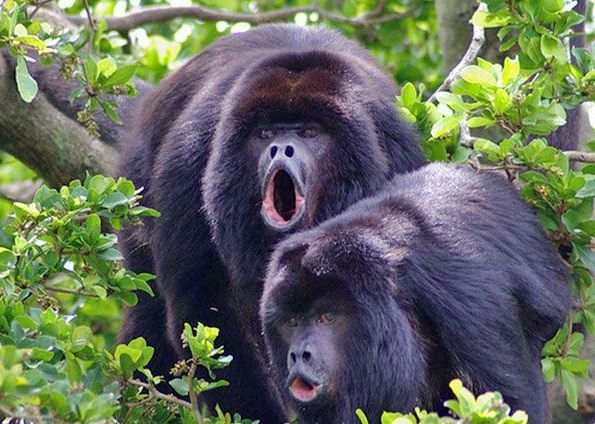
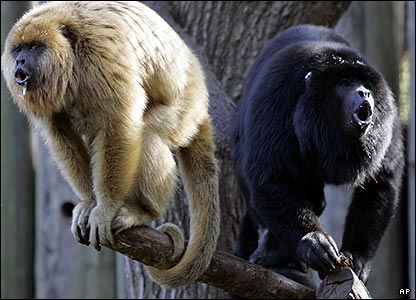
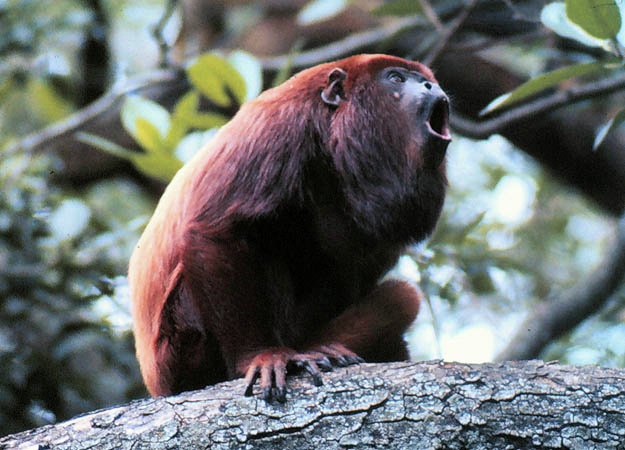
At peak, the howler monkey can produce sounds that reach 140 decibels and can be heard from a distance of three miles. The howler monkey has the loudest call of any mammal in the animal kingdom.
Established in 1998, the CBSWCG was formed to oversee the management of the CBS. The CBSWCG is comprised of a President and a representative from each of the 7 communities which form the Sanctuary.The CBSWCG is a non-profit organization that conserves the natural resources of the Community Baboon Sanctuary through education, eco-cultural tourism, scientific research, and promotion of cottage industries for the socio-economic benefit of the communities and ecological integrity of the Belize River Valley area. The Sanctuary has five main goals: Conservation, Education, Research, Eco-tourism, and Community Development.
Over the years the CBSWCG has created direct and indirect economic opportunities for many families who enjoy income from tour guiding, home stays, cultural entertainment, food preparation, and the sale of local crafts. The CBSWCG have successfully distributed over 50 small grants raging from Bz$2,500 to Bz$10,000.00 to young entrepreneurs and to strengthen existing businesses in the area that includes training in small business management, organizational management, records keeping, accounting, and development of specific business plans.
The CBSWCG projects are supported with funding from GEF/SGP, PACT, PACT foundation, German Embassy (Janus Foundation), ECADERT, and Via Venture Foundation. As a result several new businesses were created and existing ones strengthened. Examples of these businesses are: fast food shop, hair and beauty salon, home improvements to accommodate home stays, arts and crafts, catering, and certified home nursing, certified tour guides local fruit food and beverages, backyard tilapia farming , chicken , pigs , and sheep farming, and organic backyard gardening.
To date the CBSWCG successfully implemented projects in the amount of $800,000. Additionally CBSWCG received technical assistance from the Belize Tourism Board, Agriculture Department, Fisheries Department, BELTRADE, Ministry of Rural Development, Forestry, and the Evangel Credit Union and Ministry
Over the years the CBSWCG has created direct and indirect economic opportunities for many families who enjoy income from tour guiding, home stays, cultural entertainment, food preparation, and the sale of local crafts. The CBSWCG have successfully distributed over 50 small grants raging from Bz$2,500 to Bz$10,000.00 to young entrepreneurs and to strengthen existing businesses in the area that includes training in small business management, organizational management, records keeping, accounting, and development of specific business plans.
The CBSWCG projects are supported with funding from GEF/SGP, PACT, PACT foundation, German Embassy (Janus Foundation), ECADERT, and Via Venture Foundation. As a result several new businesses were created and existing ones strengthened. Examples of these businesses are: fast food shop, hair and beauty salon, home improvements to accommodate home stays, arts and crafts, catering, and certified home nursing, certified tour guides local fruit food and beverages, backyard tilapia farming , chicken , pigs , and sheep farming, and organic backyard gardening.
To date the CBSWCG successfully implemented projects in the amount of $800,000. Additionally CBSWCG received technical assistance from the Belize Tourism Board, Agriculture Department, Fisheries Department, BELTRADE, Ministry of Rural Development, Forestry, and the Evangel Credit Union and Ministry
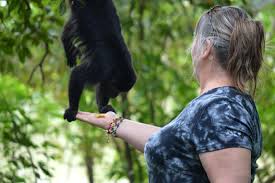
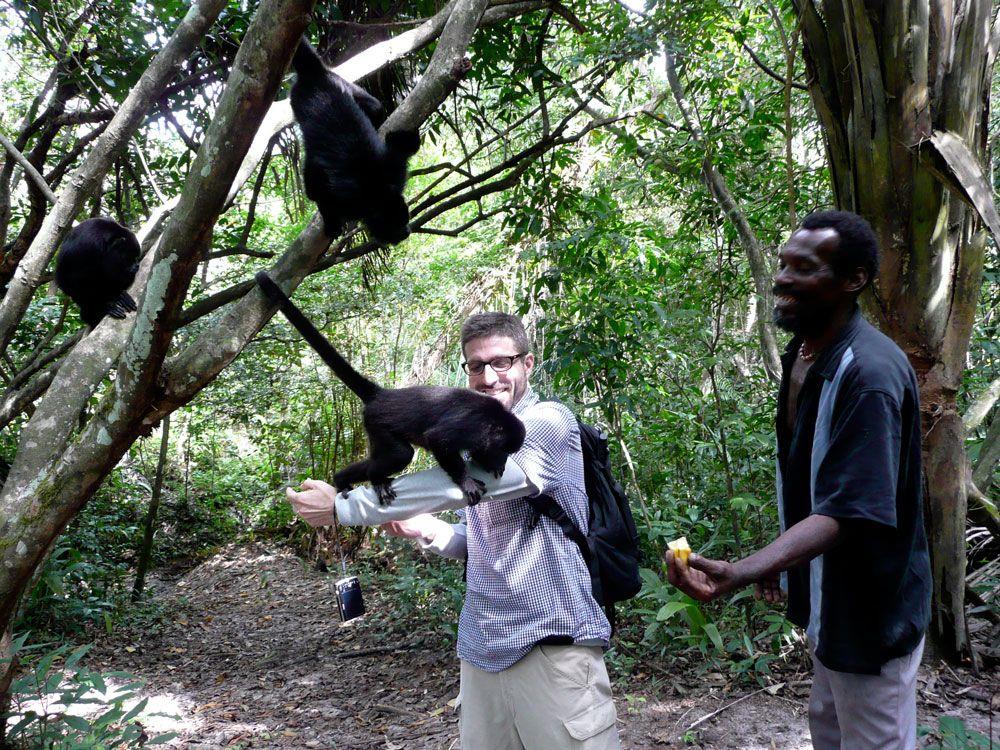
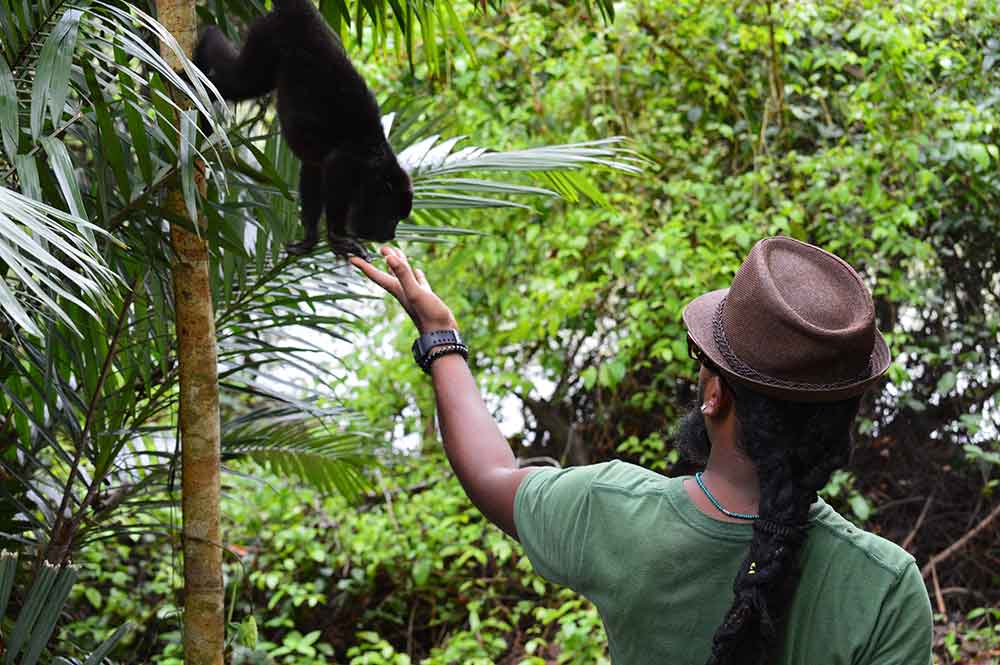
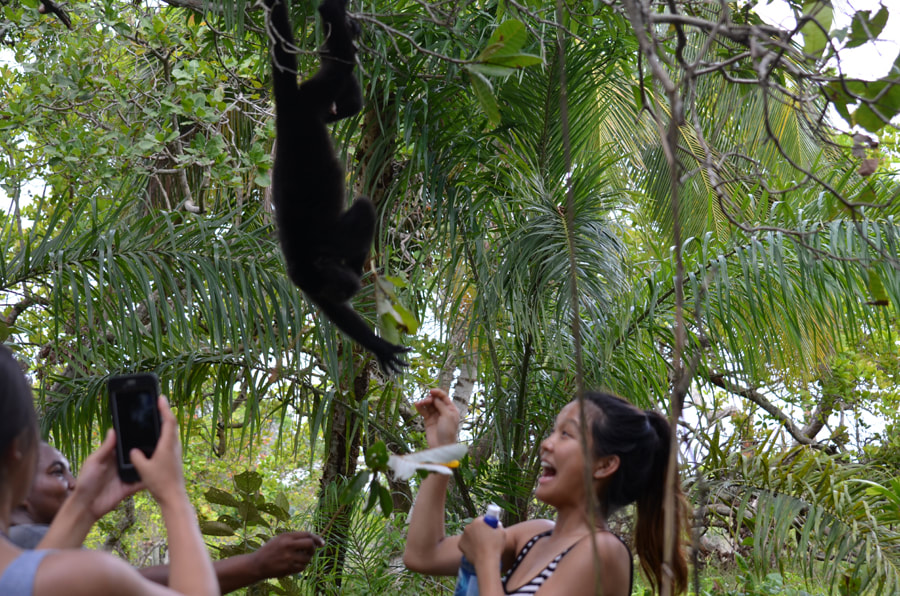
Why should I visit the Baboon Sanctuary? - The Baboon Sanctuary is an exceptional treat for adolescent children. They absolutely love interacting with the monkeys and it is a great way to educated them on why habitat conservation is very important. No lesser than World Wildlife Fund officials were encouraged to discover higher numbers of Black Howler Monkeys in Belize than in neighboring nations, so the philanthropic organization consulted with villagers in the Belize River Valley about establishing a refuge. Funds were allocated to do just that in 1985. Thereafter, the sanctuary began to inspire the Creole people living in nearby villages to get in on this species-saving effort. With everyone pulling together, the sanctuary has now grown to an impressive 12,980 acres of territory that safeguards Black Howler Monkeys so they multiply and thrive.
|
What is the best way to experience the Baboon Sanctuary? In addition to seeing the sanctuary and its comical, loud inhabitants, stop at the visitor’s center at Bermudian Landing for more information and make it a point to hike trails groomed by villagers in the communities that are part of the effort to keep the largest monkeys in the Americas from becoming endangered. Do take the formal 45-minute guided nature walk to learn about the animals, medicinal plants within the reserve and the community’s efforts to keep the monkeys from extinction. Alternately, buy a map and roam on your own. Stay overnight if you want to be fully immersed so you have time to see house mounds that stand as reminders of Belize’s 17th to 19th century lumber trade.
When is the best time to go to the Baboon Sanctuary? Dry season is between February and May. If you visit during the remainder of the year, you could encoutner wet broad-leaf forest, marsh and pastureland and since the reserve is situated in the subtropical moist belt, river flooding could keep you from a visit during rainy season. |
Where is the Baboon Sanctuary located?
The Community Baboon Sanctuary is located 31 miles northwest of Belize City on the Norther Highway. Bermudian Landing is the site of the main sanctuary, but the Creole villages that have joined the effort to nurture Black Howler Monkeys include Flowers Bank, Double Head Cabbage, Scotland Half-Moon, ISabella Bank and Big Falls/St. Paul's Bank. The reserve runs along the banks of the Belize River and it's the pride and joy of landowners who have committed to maintaining this area for this species and other wildlife, flora and fauna. What is the best way to get to the Baboon Sanctuary? The Sanctuary is located just 31 miles from Belize City. Ask your lodging host to arrange a formal tour that includes transportation to and from the site, or you can rent a car to make the 30 mile drive. With an estimated 1,500 howlers roaming the 20 square mile epicenter of the CBS, you'll probably hear them before you see them! |
Howler Monkey Habitat Conservation
The Community Baboon Sanctuary (CBS) is a pioneering project in voluntary grassroots conservation. The goal is to sustain the habitat of the Black Howler Monkey (called ‘baboon’ in the local Creole dialect) while promoting the economic development of the participating communities. The result has been an innovative project in sustainable ecotourism that protects the habitat for the endangered Black Howler Monkey and other species while offering a unique opportunity for visitors to experience the rainforest and witness Black Howler Monkeys in the wild. Over 200 private landowners in seven villages, stretching over 20 square miles, have voluntarily pledged to conserve their land for the protection of the Black Howler Monkey habitat. Many of these landowners benefit directly from the Sanctuary thanks to ecotourism. Many more benefit indirectly through the educational programs. Moreover, the population of the Black Howler Monkey in the Sanctuary has risen to over 2,000 monkeys.
Four Main Goals
With four main goals — Conservation, Education, Research, and Tourism — the CBS has become a model for other such sanctuaries throughout the world. The Sanctuary was founded by Dr. Robert Horwich, an American primatologist and Fallet Young, a landowner in the village of Bermudian Landing, in 1985 with the initial participation of 12 landowners. As it has grown, it has helped ensure the protection of not just Black Howler Monkeys, but many species of flora and fauna in the area. In 1998, the Women’s Conservation Group was formed, which currently manages the CBS.
The greatest threat to the monkeys continues to be habitat disturbance due to agriculture, logging and hunting. The Sanctuary was established to help address this threat by showing landowners the benefits of preserving their lands for the monkeys. The CBS works to make sustainable tourism an attractive alternative to destructive land management practices. At the same time, the Sanctuary helps educate both the local community and visitors about the importance of biodiversity and sustainability.
The Community Baboon Sanctuary (CBS) is a pioneering project in voluntary grassroots conservation. The goal is to sustain the habitat of the Black Howler Monkey (called ‘baboon’ in the local Creole dialect) while promoting the economic development of the participating communities. The result has been an innovative project in sustainable ecotourism that protects the habitat for the endangered Black Howler Monkey and other species while offering a unique opportunity for visitors to experience the rainforest and witness Black Howler Monkeys in the wild. Over 200 private landowners in seven villages, stretching over 20 square miles, have voluntarily pledged to conserve their land for the protection of the Black Howler Monkey habitat. Many of these landowners benefit directly from the Sanctuary thanks to ecotourism. Many more benefit indirectly through the educational programs. Moreover, the population of the Black Howler Monkey in the Sanctuary has risen to over 2,000 monkeys.
Four Main Goals
With four main goals — Conservation, Education, Research, and Tourism — the CBS has become a model for other such sanctuaries throughout the world. The Sanctuary was founded by Dr. Robert Horwich, an American primatologist and Fallet Young, a landowner in the village of Bermudian Landing, in 1985 with the initial participation of 12 landowners. As it has grown, it has helped ensure the protection of not just Black Howler Monkeys, but many species of flora and fauna in the area. In 1998, the Women’s Conservation Group was formed, which currently manages the CBS.
The greatest threat to the monkeys continues to be habitat disturbance due to agriculture, logging and hunting. The Sanctuary was established to help address this threat by showing landowners the benefits of preserving their lands for the monkeys. The CBS works to make sustainable tourism an attractive alternative to destructive land management practices. At the same time, the Sanctuary helps educate both the local community and visitors about the importance of biodiversity and sustainability.

Howler Monkeys
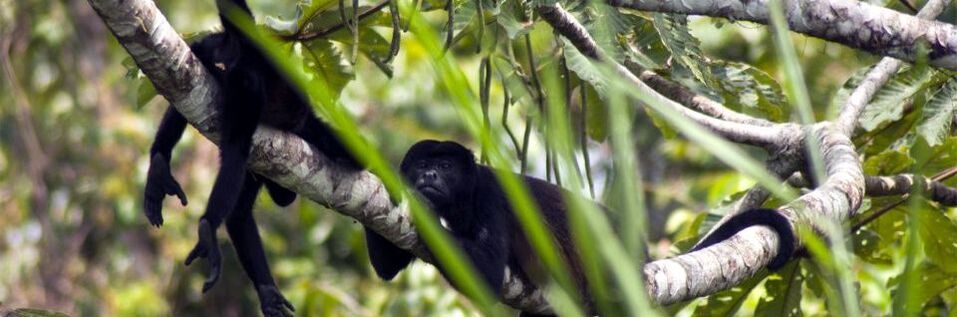
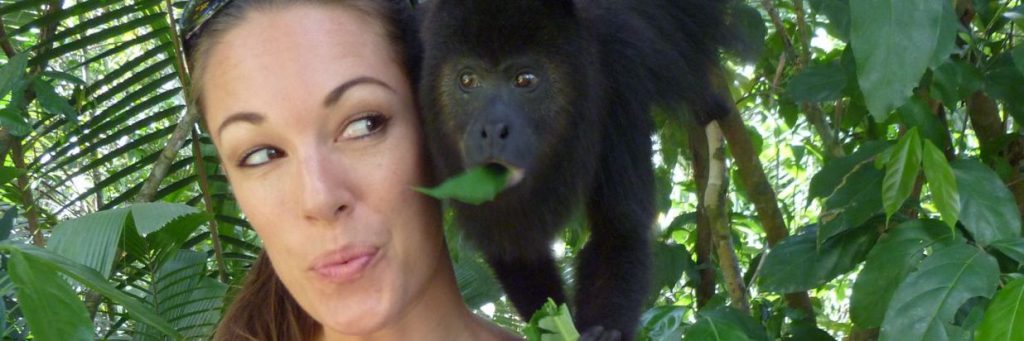
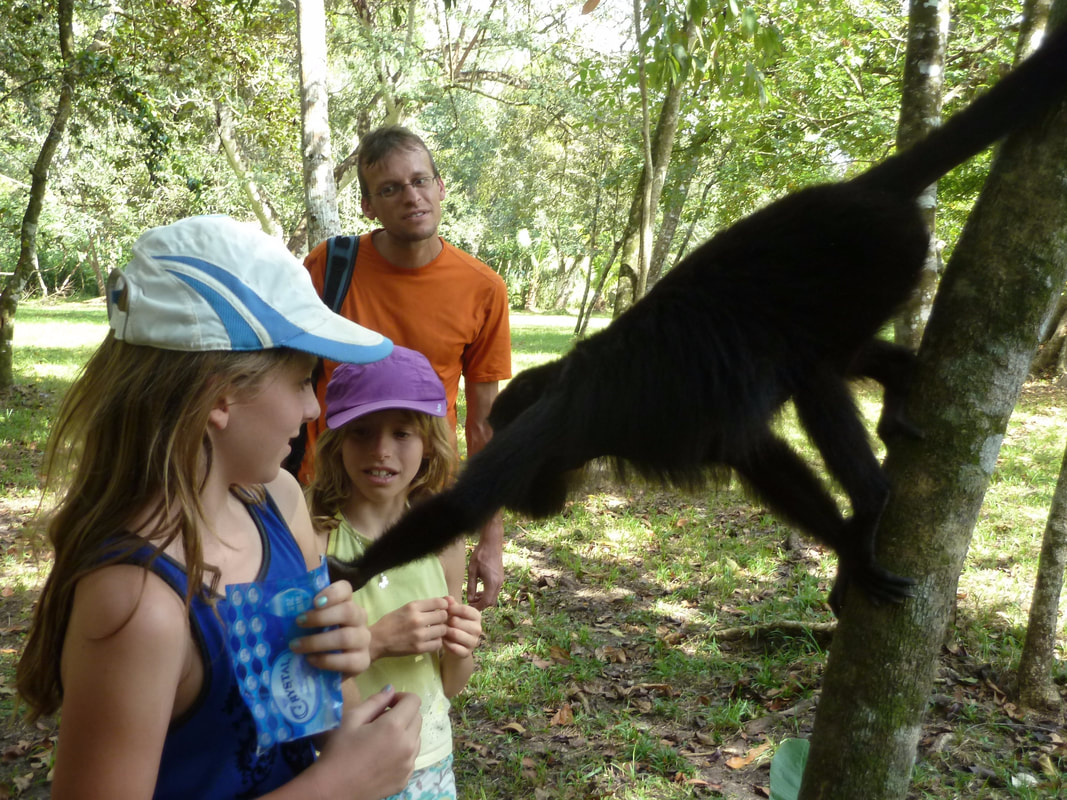
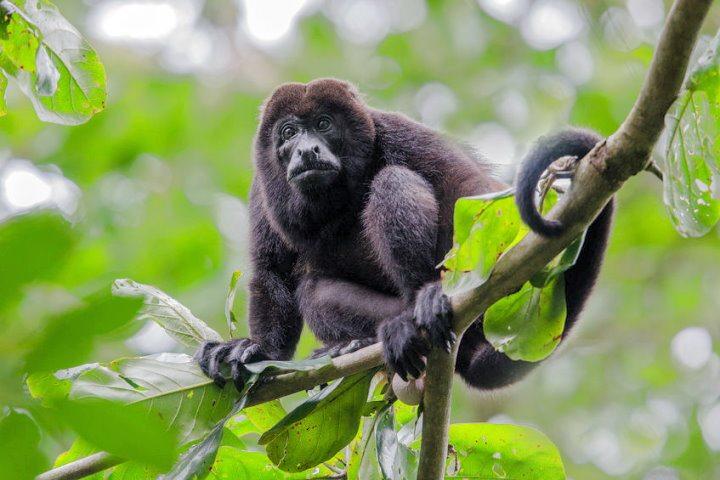
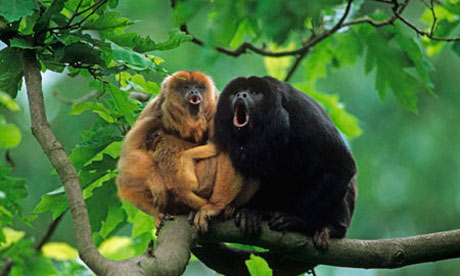
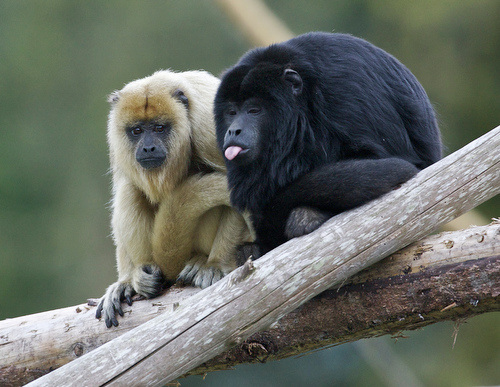
The endangered Black Howler Monkey has very limited range including Belize, Southern Mexico and Northern Guatemala. It is one of the six howler monkey species found in Central and South America. It is one of two monkeys found in Belize, the other being the spider monkey. One of the most remarkable traits of the howler monkey is its loud, rasping howl, which can be heard roaring across the forest for well over a mile. You will certainly hear this howl as you enter the sanctuary.
The black howler monkey typically lives in troops of 4-12 individuals with a dominant male heading the troop. The monkeys are strictly vegetarian eating a wide variety of leaves, flowers and fruit. Please consider adopting a monkey, you will receive a handsome certificate of adoption and a photo of a monkey at the sanctuary. All donations, adoptions, and memberships are completely tax deductible in the US.
The endangered Black Howler Monkey has very limited range including Belize, Southern Mexico and Northern Guatemala. It is one of the six howler monkey species found in Central and South America. It is one of two monkeys found in Belize, the other being the spider monkey. One of the most remarkable traits of the howler monkey is its loud, rasping howl, which can be heard roaring across the forest for well over a mile. You will certainly hear this howl as you enter the sanctuary.
The black howler monkey typically lives in troops of 4-12 individuals with a dominant male heading the troop. The monkeys are strictly vegetarian eating a wide variety of leaves, flowers and fruit. Please consider adopting a monkey, you will receive a handsome certificate of adoption and a photo of a monkey at the sanctuary. All donations, adoptions, and memberships are completely tax deductible in the US.
Other Wildlife
In addition to the numerous howler troops, an abundance of other life is found within the sanctuary. Nearly 200 bird species have been identified in the area, including colorful parrots, amazing hummingbirds, limpkin, manakins, even a toucan now and then. Other endangered species such as the Hickatee River Turtle also make the sanctuary their home. Morelet’s crocodiles are often seen in the area. Snakes such as boa constrictors and vipers can be found here. (Don’t worry; few snakes in the Sanctuary can pose a threat to humans!). In addition fox, anteaters, bats, iguanas, armadillos and many other species of mammals, reptiles and amphibians. Even cats such as jaguars, ocelots, puma, and jagarundi occur in the area of the Sanctuary.
In addition to the numerous howler troops, an abundance of other life is found within the sanctuary. Nearly 200 bird species have been identified in the area, including colorful parrots, amazing hummingbirds, limpkin, manakins, even a toucan now and then. Other endangered species such as the Hickatee River Turtle also make the sanctuary their home. Morelet’s crocodiles are often seen in the area. Snakes such as boa constrictors and vipers can be found here. (Don’t worry; few snakes in the Sanctuary can pose a threat to humans!). In addition fox, anteaters, bats, iguanas, armadillos and many other species of mammals, reptiles and amphibians. Even cats such as jaguars, ocelots, puma, and jagarundi occur in the area of the Sanctuary.
"Baboon Ya De Fu We" (a creole saying meaning) "The Baboons here are our responsibility."
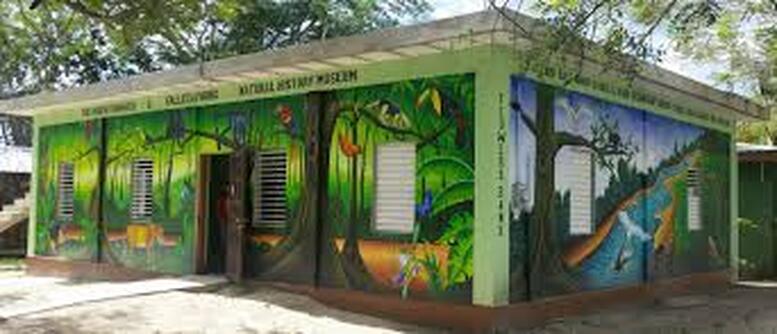
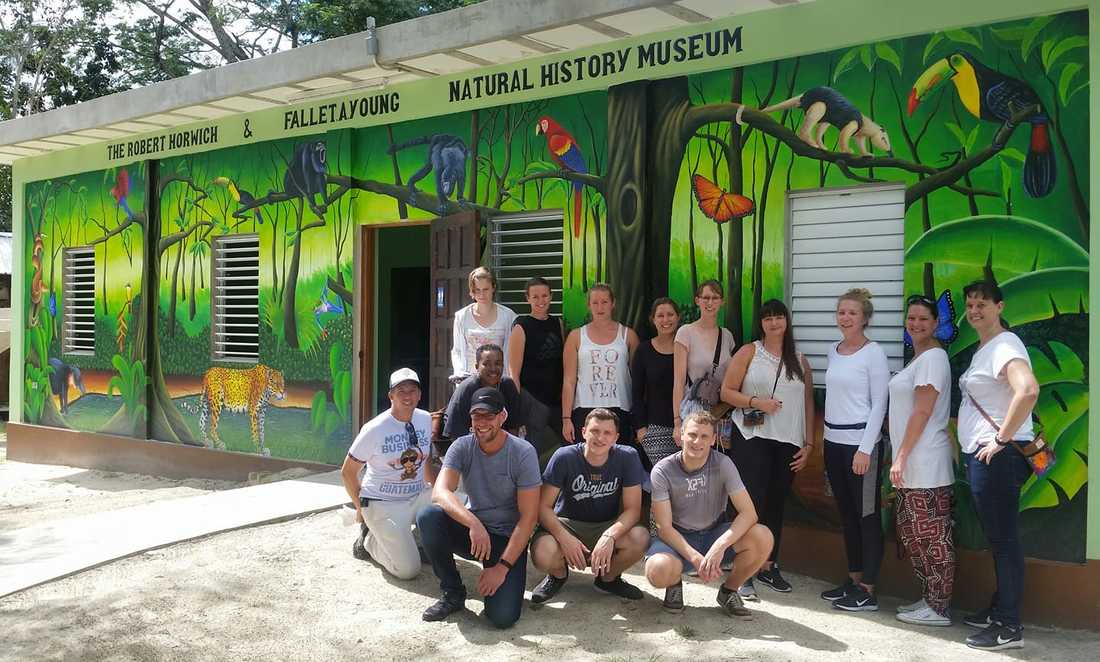
Community Baboon Sanctuary Museum
Open 8:00 a.m to 5:00 p.m. daily Regular nature trail costs $10.00 BZD per person and Night hikes are available for $20.00 BZD per person |
|
The sanctuary's service village is Bermudian Landing, a British logging camp in the 1600s and today a relaxed creole outpost. Check in at the visitors' center here - there are some places to stay, some flat ground for tents, or the station manager can arrange for accommodation with local families. A small museum, opened in 1989, was Belize's first devoted to natural history, and an interpretative trail can be followed. Canoe trips, horseback riding and crocodile watching tours are also available. There is also a jam factory and a Creole Cultural Center.


|
|
|